

Tips for Inspecting a Used Hyundai Excavator Before Purchase
Release time: 2026-01-14
Buying a pelle hydraulique Hyundai d'occasion can be a cost-effective way to expand your construction fleet. Whether you are looking for a Hyundai 220, 225, 275, or 305, careful inspection is essential to ensure you purchase a machine that is reliable, efficient, and ready for work.
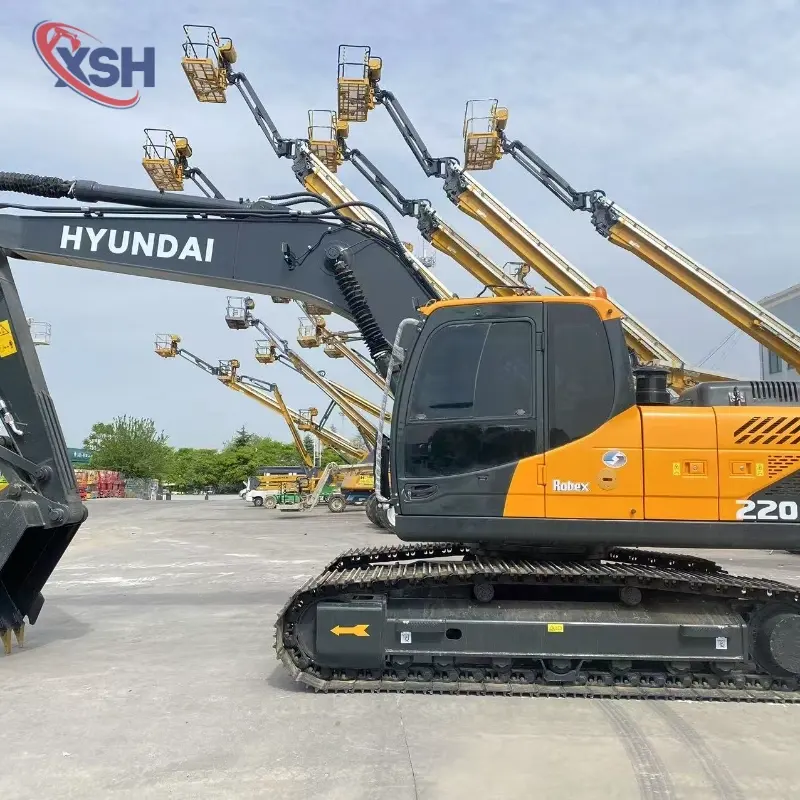
Table of Contents
1. Check the Machine’s History
Before inspecting the excavator physically:
- Ask for service and maintenance records. Machines with regular maintenance are generally more reliable.
- Verify the operating hours. Low-hour machines are attractive, but poor maintenance can still cause issues.
- Confirm previous usage type – construction, landscaping, or industrial work affects wear patterns.
Tip: Machines primarily used for light-duty projects often have less wear and longer service life.
2. Inspect the Engine and Hydraulic System
The engine and hydraulics are the core of any excavator:
- Engine condition: Check for leaks, unusual smoke, or strange noises.
- Hydraulic hoses and cylinders: Inspect for leaks, cracks, or previous repairs.
- Hydraulic fluid: Dirty or low fluid indicates neglect.
A properly maintained Hyundai 220 / 225 / 275 / 305 excavator should have smooth engine operation and stable hydraulic performance.
3. Examine the Undercarriage
The undercarriage is often the most expensive part to repair:
- Inspect tracks, rollers, and sprockets for wear.
- Uneven wear may indicate poor maintenance or structural issues.
- For compact and standard excavators, ensure proper track tension.
4. Check the Boom and Attachments
- Look for cracks, rust, or signs of welding repairs.
- Test the bucket, arm, and boom movement – smooth movement indicates healthy hydraulics.
- Ensure pins and couplers are tight for attachments.
5. Test the Cabin and Controls
- Check joysticks, pedals, and switches for responsiveness.
- Inspect the seat, safety belts, and alarms.
- Ensure visibility and air conditioning meet operational requirements.
6. Conduct a Test Run
- Operate the excavator in all modes – digging, lifting, swinging.
- Listen for unusual noises from the engine, hydraulics, or undercarriage.
- Observe fluid leaks and check that all systems respond smoothly.
7. Verify Legal Documents
- Confirm the excavator’s serial number and ownership documents.
- Check warranty or service agreements, if available.
- For international buyers, review export and shipping documentation.
Final Tips
- Purchase from reputable suppliers who provide full machine history.
- Compare multiple used Hyundai 220, 225, 275, 305 excavators to gauge market prices.
- Consider third-party inspection services for critical purchases.
Following these inspection steps will help you buy a reliable used Hyundai excavator that reduces downtime and delivers long-term value.